Florida presents unique challenges for homeowners, with its beautiful coastline, tropical climate, and propensity for severe weather events. Navigating the complexities of homeowners’ insurance in Florida can be daunting, especially for new residents unfamiliar with the region’s risks. From hurricanes to flooding, the right insurance policy isn’t just a recommendation; it’s a critical safeguard for protecting your investment and peace of mind. Understanding the intricacies of homeowners insurance Florida coverage is essential for anyone owning a home in the Sunshine State. Below, we explore the essential aspects of homeowners’ insurance suited to the unique needs of Florida residents.
Content
Understanding the Unique Risks of Homeownership in Florida
Florida’s homeowners face a variety of risks that differ significantly from those in other states. The state’s geographic location makes it highly vulnerable to hurricanes, which can cause severe wind damage and storm surge. This level of exposure necessitates careful consideration when selecting insurance policies, emphasizing the need for comprehensive windstorm coverage – a feature not always standard in other regions.
In addition to tropical storms, homeowners at vela bay condo in Florida also face risks such as sinkholes, particularly in areas with limestone bedrock. These geological concerns can lead to serious property damage, and not all insurance policies automatically include coverage, making it important to carefully review the details of each plan.
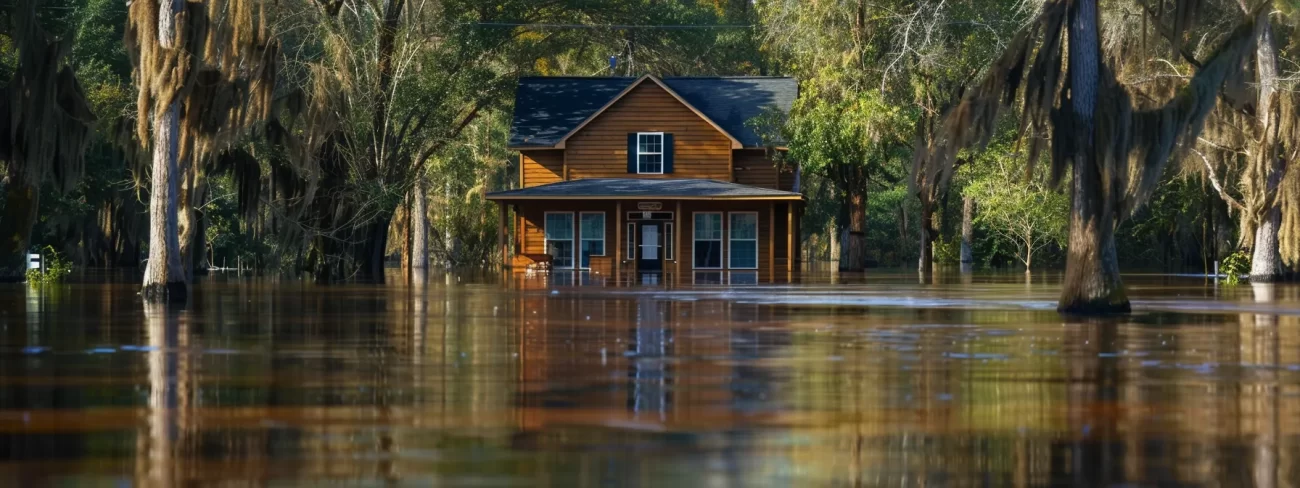
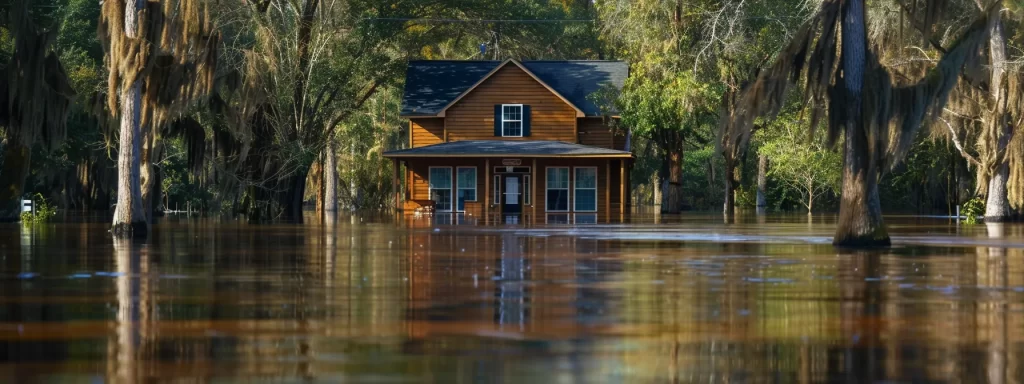
The prevalence of flooding in Florida is another critical concern for homeowners. Despite common misconceptions, standard homeowners’ insurance policies typically do not include flood insurance. Therefore, it is often necessary to purchase a separate flood insurance policy, especially for homes in designated flood zones, where lenders may require such coverage.
Finally, the state’s high property and casualty insurance costs are attributable to these risks. Florida’s insurance market is frequently in flux, with insurers entering and exiting, shifting the landscape of available options and premiums. For homeowners, this environment requires continuous assessment and, if market conditions change, coverage adjustments.
Strategies for Finding Affordable Homeowners Insurance in the Sunshine State
Despite Florida’s challenging insurance market, there are strategies homeowners can employ to find more affordable coverage. One of the most effective ways is to shop around and compare quotes from various insurers. Each company assesses risk differently, leading to wide variances in premium rates. It is crucial to get multiple quotes to ensure you find the best rate for the coverage you need.
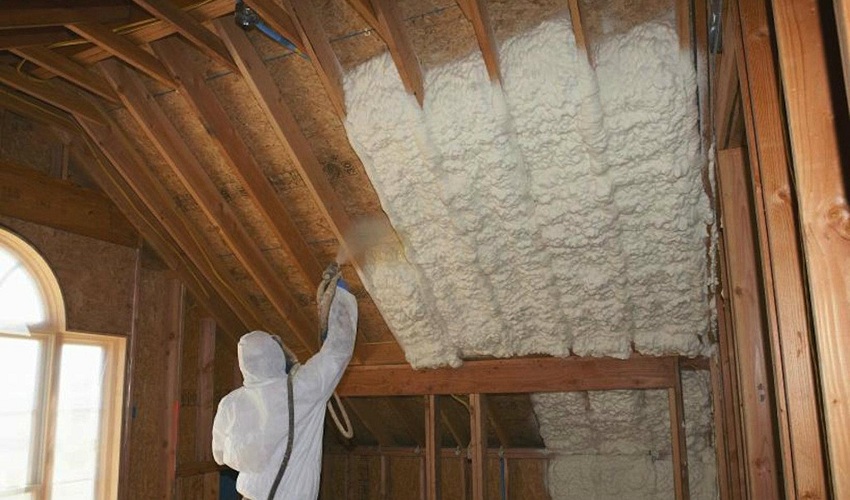
Implementing home improvements to mitigate risk can also lead to lower insurance premiums. For instance, installing hurricane shutters, upgrading roofing materials, or reinforcing doors and windows to withstand high winds are all improvements that can attract discounts from insurance carriers. Some may also offer reduced rates for homes with security systems, smoke detectors, and water safety systems, such as automatic shutoff valves.
Lastly, raising deductibles can lower monthly or annual insurance costs, though it means higher out-of-pocket expenses if a claim is necessary. Carefully consider your financial situation when choosing deductibles; ensure that you can afford the deductible should you need to file a claim. Financial advisors or insurance specialists can provide guidance on finding the right balance between deductibles and premiums.
Navigating Insurance Claims After a Disaster: Tips for Florida Residents
After a disaster, dealing with insurance claims can feel overwhelming, but preparation and understanding the process can streamline the process. Start by reviewing your insurance policy thoroughly to understand what is covered and to what extent. It is also critical to keep an inventory of your home’s contents, as this will expedite the claims process and ensure you receive adequate compensation for lost or damaged items.
Immediate action following a disaster is key. Contact your insurance company as soon as possible to report the damage. Provide them with a detailed account and any available evidence, such as photographs or videos, documenting the destruction. Insurance companies generally handle claims on a first-come, first-served basis, so prompt notification is to your advantage.
Maintaining good communication with the insurance adjuster assigned to your case is crucial. Be proactive in providing the necessary documentation and following up on the status of your claim. If the settlement offered seems insufficient, don’t hesitate to negotiate for a fairer amount. Remember, your initial claim is not always the final offer, and you have the right to appeal the decision.
Finding suitable homeowners insurance in Florida can be complex, but it remains an essential part of homeownership. By understanding the region’s unique challenges, evaluating comprehensive coverage options, and preparing for potential claims, Florida homeowners can ensure their properties and livelihoods are adequately protected against unexpected disasters.
My name is Gwen Elmore. I post about home improvement ideas and how to make your home look beautiful and liveable. I hope my posts will help you with your DIY projects!
My name is Gwen Elmore. I post about home improvement ideas and how to make your home look beautiful and liveable. I hope my posts will help you with your DIY projects!