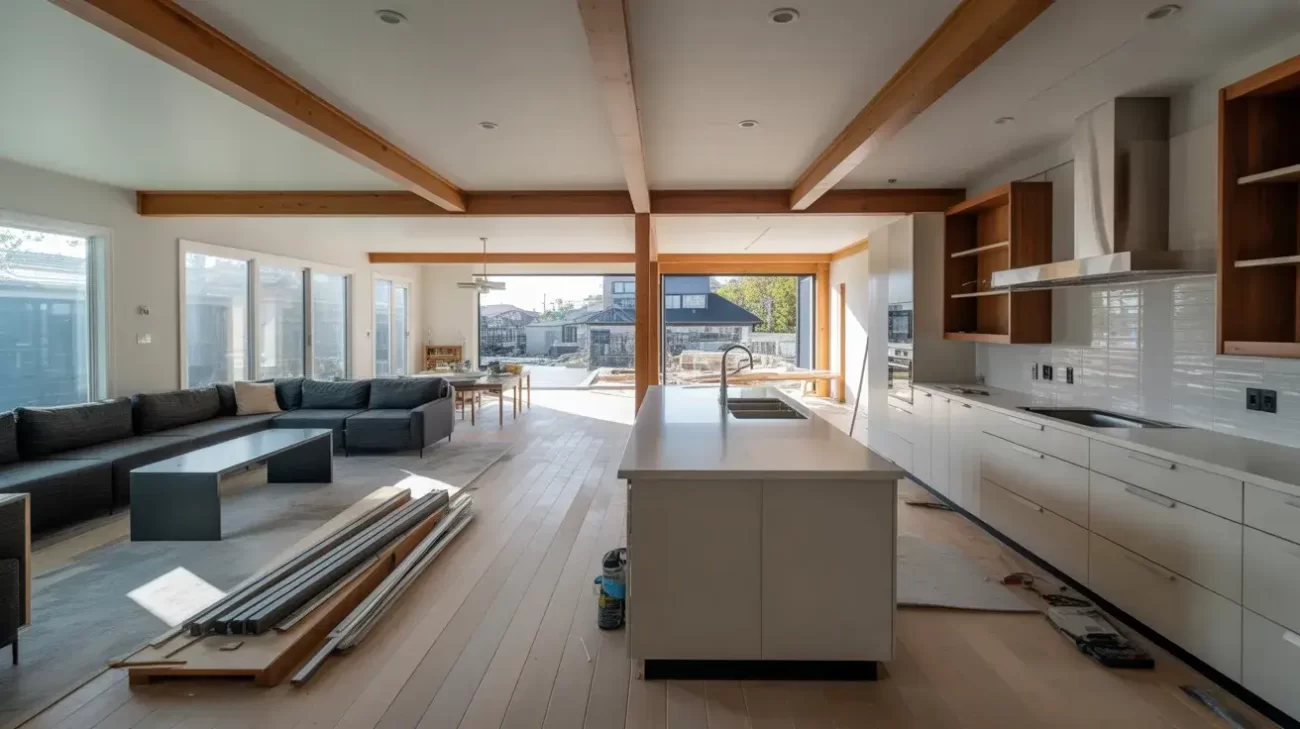
Renovating a home is more than just updating paint or replacing fixtures—it’s an opportunity to personalize your space, improve functionality, and increase your property’s value. With the rising interest in modern designs and efficient layouts, a custom home renovation has become a popular choice for homeowners who want their home to reflect their lifestyle and taste.
In this guide, we’ll explore what a renovation involves, why it’s often preferable to basic remodeling, common mistakes to avoid, and how to plan a successful project from start to finish. You’ll also discover a real-life case study that demonstrates how thoughtful renovation can transform a home into a dream space.
Content
What Is a Custom Home Renovation?
A custom home renovation goes beyond minor updates. Unlike standard remodeling projects that may focus only on cosmetic changes, a custom renovation is tailored to your specific needs, style, and property layout.
Key elements of a custom renovation include:
- Personalized home upgrades: Transforming spaces to suit lifestyle preferences.
- Modern home renovation features: Smart layouts, energy-efficient systems, and contemporary designs.
- Structural changes: Adjusting room layouts, removing walls, or adding extensions.
- Interior design renovation: Integrating style and function in every room.
Essentially, a custom renovation ensures your home is both beautiful and functional, reflecting your unique requirements rather than following a cookie-cutter approach.
When to Consider a Custom Home Renovation
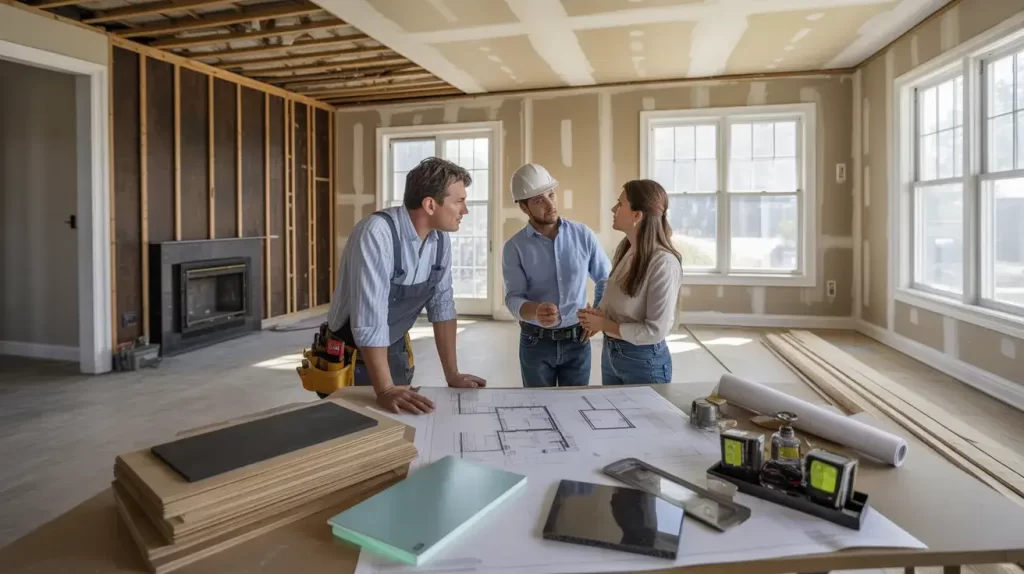
Not every home requires a full-scale renovation, but there are certain situations where a custom approach makes sense:
- Outdated layouts or cramped spaces
- Major life changes, such as growing families or home offices
- Desire for modern features, energy efficiency, or eco-friendly solutions
- Historic homes that need sensitive structural updates
Hiring the right remodeling contractor or architect can help navigate structural, design, and permitting challenges effectively.
The Benefits of a Custom Home Renovation
A thoughtful renovation brings more than just aesthetic improvements. Here’s what homeowners often gain:
1. Personalized Design
Custom renovations allow you to prioritize functionality. From expanding kitchens to creating open-plan living areas, every design choice can be tailored to your lifestyle.
2. Increased Home Value
A well-planned renovation increases your property’s resale value. Buyers often pay a premium for modern, functional spaces.
3. Cost Efficiency Over Time
While a custom renovation may seem expensive upfront, strategic upgrades like energy-efficient systems, better insulation, and optimized layouts reduce long-term maintenance costs.
4. Better Use of Space
Even small areas can be transformed with clever home remodeling ideas. Built-in storage, multipurpose rooms, and vertical shelving help maximize your home’s potential.
Common Mistakes in Home Renovation
Even experienced homeowners can make errors during a renovation. Avoid these pitfalls:
- Skipping planning: Not having a detailed design plan leads to delays and unexpected costs.
- Ignoring permits: Structural changes often require approvals from local authorities.
- Choosing the wrong contractor: Lack of experience can result in subpar workmanship.
- Underestimating costs: Always include a contingency budget for unforeseen expenses.
Being aware of these mistakes can save time, money, and stress during your project.
Step-by-Step Guide to Planning a Home Renovation
A successful renovation requires careful planning. Here’s a step-by-step process that works for most homeowners:
Step 1: Define Your Goals
Decide what you want to achieve with your renovation. Is it functionality, style, space, or a combination? Writing down your priorities helps guide decisions.
Step 2: Set a Budget
Determine how much you can spend and allocate funds for design, materials, labor, and unexpected costs. A custom home renovation on a budget can still be impressive with strategic choices.
Step 3: Hire Professionals
Engage a remodeling contractor or architect with experience in custom renovations. They can help with permits, structural engineering, and design implementation.
Step 4: Design and Layout
Work with your team to create floor plans that maximize efficiency and style. Consider open spaces, natural light, and modern interior design trends.
Step 5: Construction and Supervision
Monitor progress regularly. Clear communication with contractors ensures the project stays on schedule and meets your expectations.
Step 6: Final Touches
After structural work is complete, focus on finishes, paint, lighting, and furnishings to bring your vision to life.
Real-Life Case Study: Transforming a Family Home
Meet the Johnson family, who wanted to modernize their 1980s suburban home while keeping it functional for their growing family.
Project Highlights:
- Expanded the kitchen and combined it with the dining area for a modern open layout.
- Added a home office and multipurpose playroom for their children.
- Upgraded insulation, lighting, and appliances for energy efficiency.
- Designed personalized storage solutions in every room to reduce clutter.
Outcome:
- Increased home value by 25%
- Reduced energy bills by 20%
- Created a stylish, functional, and family-friendly space
This example illustrates how a custom home renovation can combine aesthetics, function, and efficiency.
Modern Trends in Custom Home Renovation
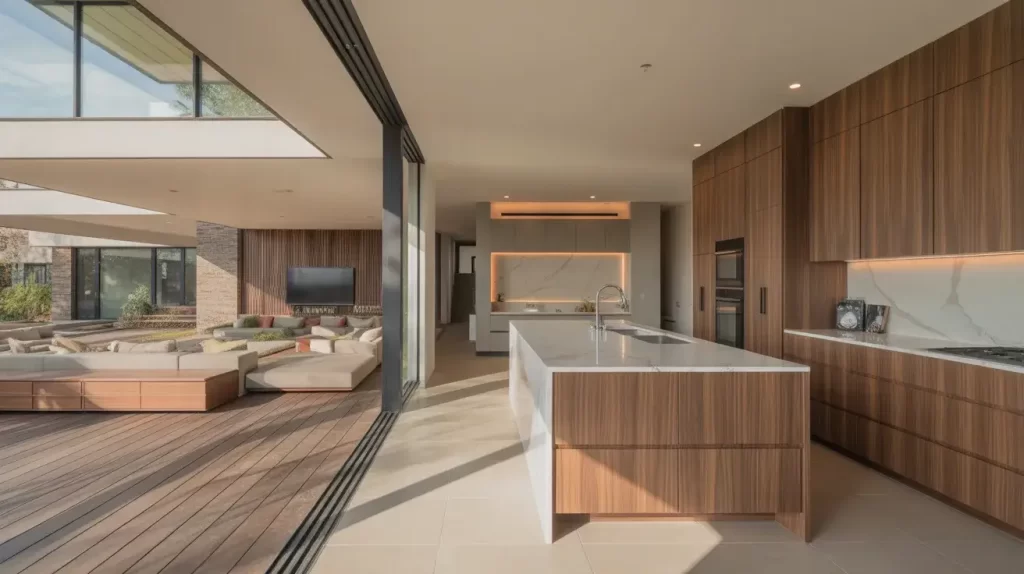
To make your renovation truly contemporary, consider these trends:
- Eco-friendly materials and energy-efficient systems
- Open floor plans with natural light
- Smart home technology integration
- Multipurpose furniture and hidden storage
- Luxury kitchen and bathroom upgrades
Incorporating these elements ensures your renovation is both timeless and future-ready.
Conclusion
Transforming Your Home is more than just a project; it’s an opportunity to create a space that truly reflects your lifestyle, needs, and values. By carefully planning, hiring the right professionals, and avoiding common mistakes, you can turn any space into a functional, stylish, and energy-efficient haven.
Whether you’re considering a budget-conscious upgrade or a full-scale luxury renovation, taking inspiration from real-life examples and modern trends can help you achieve the home of your dreams.
FAQ’s:
How to plan a custom home renovation?
Start by defining goals, setting a budget, hiring professionals, and designing a detailed layout.
Custom home renovation ideas on a budget?
Focus on energy efficiency, open layouts, multipurpose spaces, and smart storage solutions.
Benefits of custom home renovation?
Increased home value, personalized design, better space utilization, and long-term cost efficiency.
Hiring the right contractor for custom home renovation?
Choose professionals with experience, check references, and ensure clear communication throughout the project.

Roger Valentine loves to share her ideas and tips with others. He loves finding new ways to make your house more beautiful, large or safe. He also enjoys writing about home improvement topics such as kitchen remodeling, bathroom remodeling and easy garden ideas for beginners.